Meet the Racing Digital team || Graham Haythornthwaite - Head of Software Engineering
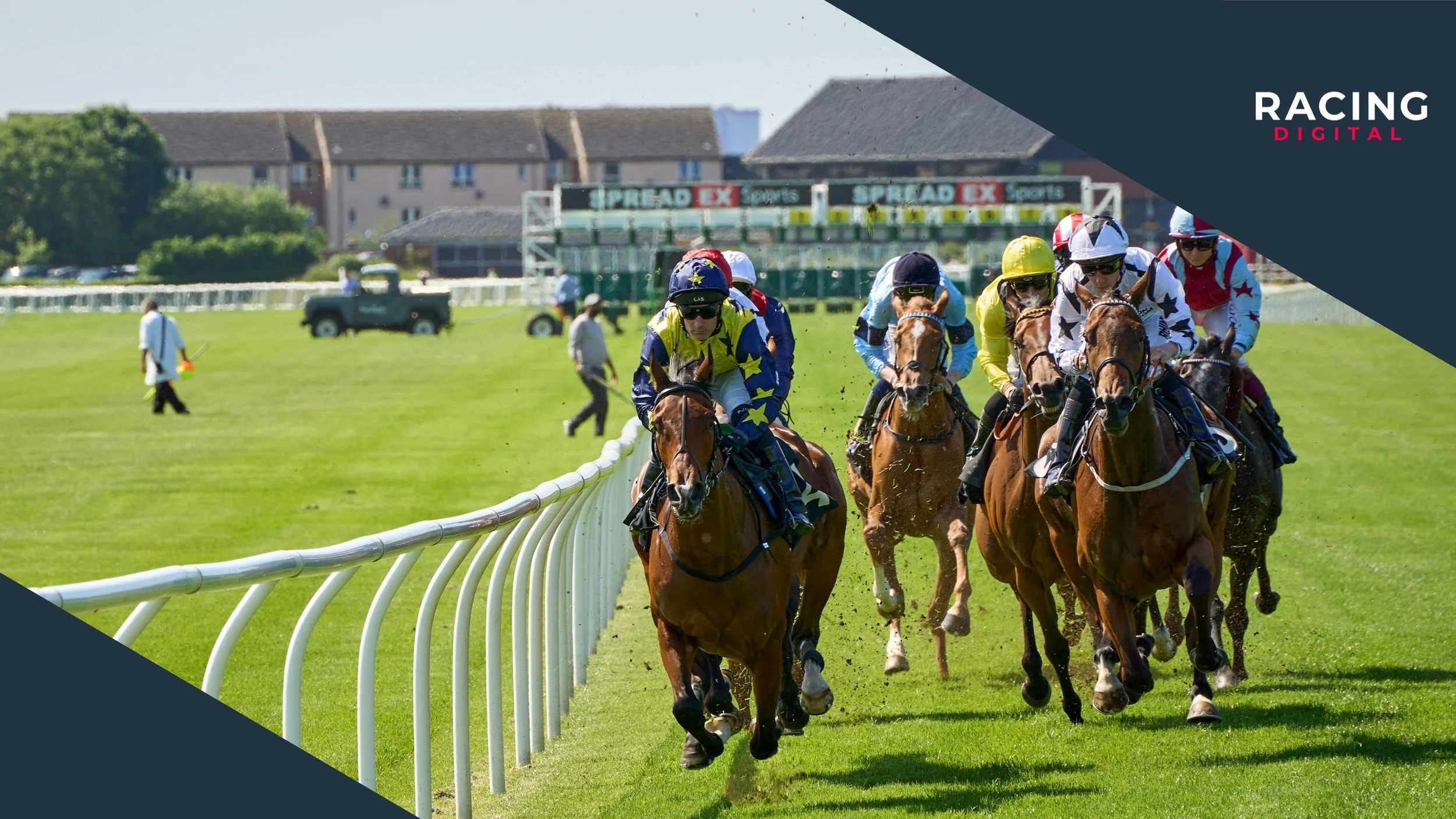
Find out more about Racing Digital’s Head of Software Engineering, Graham Haythornthwaite
I'm Head of Software Engineering at Racing Digital, which means I'm responsible for the people, technology, and processes we use to build our software solutions. It's a role that sits right at the heart of what we're trying to achieve here, and given where the project has been and where it's heading, that makes it both challenging and genuinely exciting.
Developing a career in software
My route into this position wasn't straightforward, and it certainly didn't start with any deep knowledge of horse racing. I began my career as a software developer, or analyst programmer, as the job title was back then, and since then, I've moved into leadership roles where I've built and grown engineering teams across a range of industries, including telecoms, energy, and edtech. Each of those sectors brought its own complexities, its own pressures, and its own need for robust, reliable technology that people could actually depend on. The fundamentals of good software engineering don't change much, regardless of what you're building or who you're building it for. What does change is the context, the stakeholders, and the scale of what's at stake.
When I joined Racing Digital, the task was clear: hire a new in-house engineering team and deliver the Racing Administration solution that British racing needs. That meant assembling the right people, putting the right structures in place, and working closely with them day to day to guide and support the build. It also meant working hand in glove with Sarah, our Product Manager, and Rob, our COO and now MD, to make sure we're building the right solution to the required timescales whilst managing any risks that come along. In a project of this scale and complexity, that last part, the risk management, is never a small consideration.
Racing Digital: Progress in 2025 and 2026

The Racing Digital Hub is a major project and is designed to streamline and modernise a historically traditional sport. It's a significant undertaking, and I won't pretend the journey to this point has been without its difficulties. As with many major digital transformation projects, particularly those that involve integrating with databases and systems that have been in place for over two decades, there have been challenges, adjustments and moments where we've had to take a step back and reassess the approach.
One of the most important decisions we made was to move away from working with an external technology provider and build a talented, robust and flexible in-house engineering team instead. That shift has had a significant impact, giving us far greater control over what we're building and how we're building it, while significantly reducing the cost of delivery.
From my perspective, it also means I'm working directly with a talented team of engineers who are fully invested in the project, who understand the nuances of what we're trying to achieve, and who can respond quickly when things need to change. That flexibility has already proven invaluable.
Since we introduced this new way of working early last year, the progress has been genuinely impressive. We're now working towards having the Racing Digital Hub fully developed and tested by the end of 2026, with a view to launching to the industry in early 2027. As we approach the launch, stakeholders will begin to see enhanced data capabilities introduced in phases, allowing us to demonstrate what we've built, gather feedback, and build confidence ahead of the full launch. Make it stand out
Faster, clearer, better
From a technical perspective, what we're building is a single, modern platform that will transform how people complete the administrative tasks that underpin participation in the sport, managing ownership and registrations, licensing information, and searching for and entering races. The ambition is to make all this faster, clearer, and far less duplicative than the current system allows, whilst also providing a technology platform that sets British racing up for long-term success and consolidates previously disparate processes into a single system. That means being ready to adopt and embrace future technological developments and ensuring that the infrastructure we're building today can support the industry's needs for years to come.
It’s a significant task, but it's the kind of challenge that gets you out of bed in the morning, frankly.
As for my connection to racing itself, I'll be honest: it's limited. I've never been deeply embedded in the sport in the way that some of my colleagues are. That said, I did spend several weeks on site at the Hong Kong Jockey Club as the lead developer for their voice recording system, which gave me a fascinating glimpse into how racing operates at that level and the kind of technology infrastructure that supports it. It was a formative experience in many ways, and it certainly gave me an appreciation for the scale and complexity of what racing organisations need to function effectively. Since joining Racing Digital in February 2025, I’ve also grown my knowledge and passion for the sport, although this sadly hasn’t translated into any successful betting.
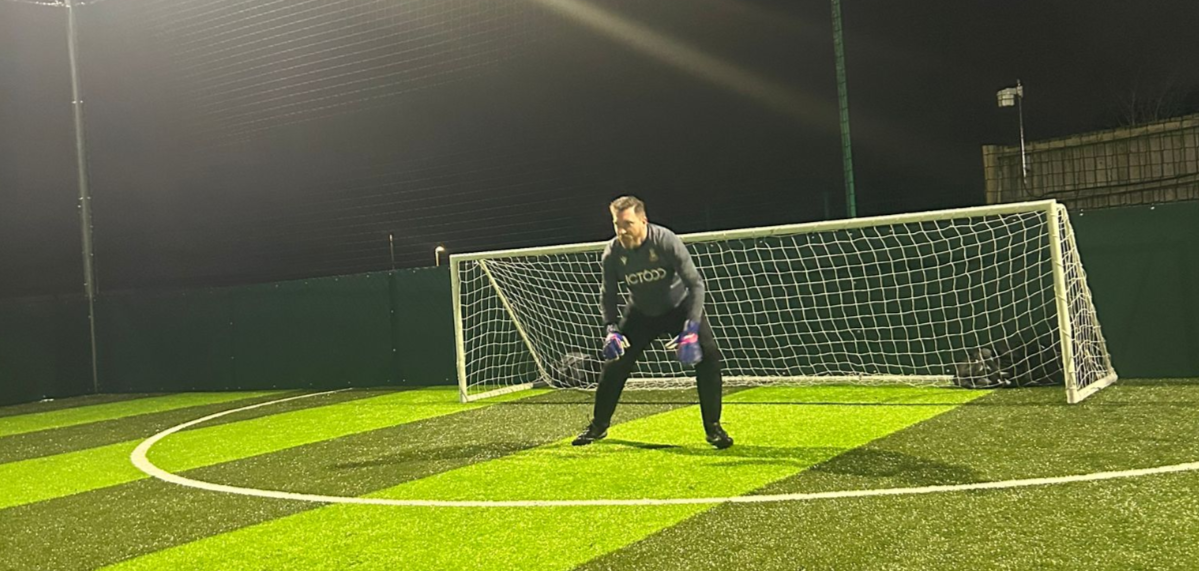
A man of many talents: The Cat in his natural environment
Graham the Cat
Beyond that, my personal interests tend to run in a different direction entirely. I've been playing five-a-side football as a goalkeeper since university, where I earned the nickname "Graham the Cat”, a moniker that stuck around far longer than it probably should have. For most of that time, I remained relatively injury-free, which I put down to good reflexes and a reasonable amount of luck. Unfortunately, the luck appears to have run out: I've now broken three different fingers in the last two years. It turns out that diving around to stop footballs is marginally less forgiving in your forties than it was in your twenties. Who knew?
Still, I keep turning up. There's something to be said for persistence, for sticking with something even when it gets difficult, and for trusting that the effort you put in will eventually pay off. It's a philosophy that applies just as much to building complex software systems as it does to standing between the goalposts.
And right now, with the team we've built and the progress we're making, I'm confident that the effort we're putting into Racing Digital is going to pay off in a way that genuinely makes a difference to the people who rely on it, and to the wider racing industry.
Follow us on:
Take a look at our FAQs
Get in touch with the team on info@racingdigital.co.uk